IN SEARCH OF FILMS LOST IN MEMORY – PART ONE
Aurélio P. Cardoso
Edited by: Marco Aurélio Lucchetti
“"There are films that I've seen eight, even fifteen times.".
É Is it possible to live without Hitchcock or Rossellini?”
Fphrases taken from the film Before the Revolution (Prima della Rivoluzione, 1964), by Bernardo Bertolucci
I have a friend who always asked me if I knew anything about a movie from the 1960s. He didn't know the title. He only knew it starred Burt Lancaster and could quote one of the scenes..
The scene in question showed a man who wants to get home by swimming across his neighbors' swimming pools..
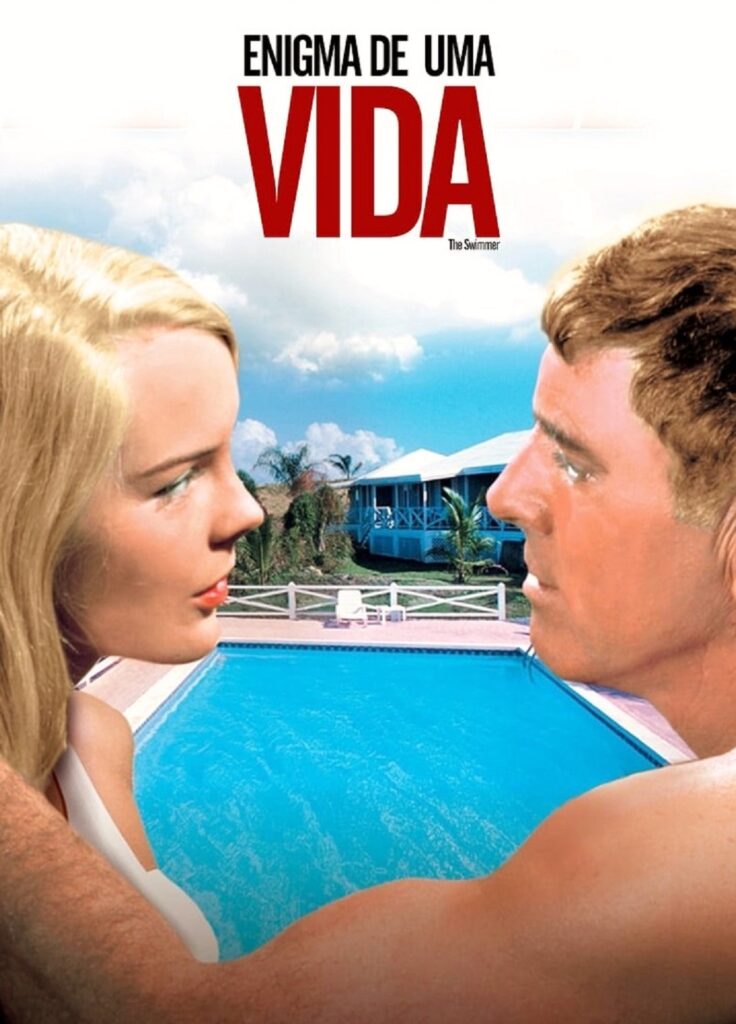
After a long time, I finally managed to unravel the mystery. I told my friend that the film in question is a classic and is called... Enigma of a Life (The Swimmer, (1968). It was directed by Frank Perry & Sydney Pollack. And regarding it, the late critic Rubens Ewald Filho said the following in the book The Movies Today on TV (São Paulo, Global, 1975, p. 71):
“A symbolic drama based on a short story by John Cheever. Burt Lancaster swims through the neighborhood pools to his house, encountering various types of people and going through various phases of his life. The film is obscure because it was re-edited by the producer (Sydney Pollack reshot the scene with the mistress). Censorship allowed Lancaster's nudity to pass.”
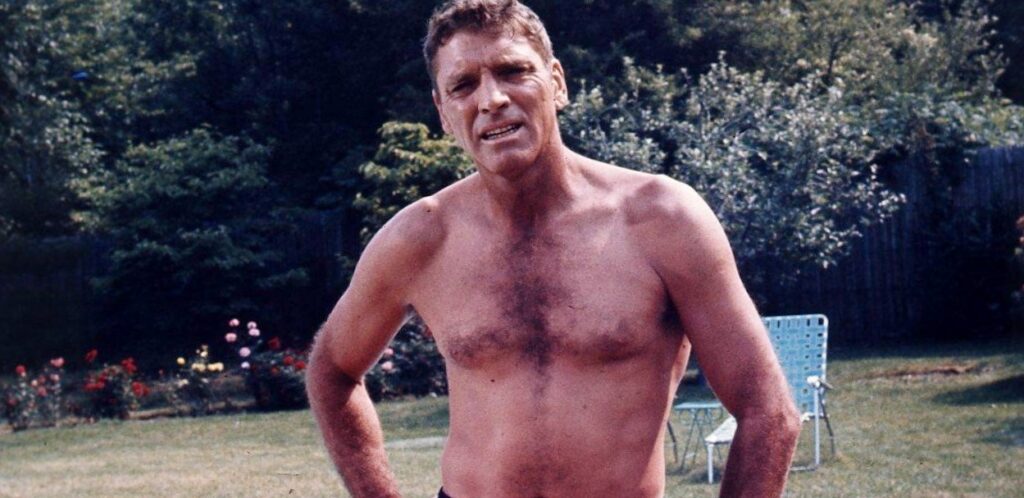
Burt Lancaster, in a scene from Enigma of a Life.
This friend of mine confessed to me that the film had impressed him and he wanted to see it again no matter what. So I gave him (this was around the year 2000) some not-so-good news: Enigma of a Life it had not been released in DVD; And the television channels (at least, the free-to-air channels) had no interest in showing it, since it was old..
I didn't get to see it in its entirety either. Enigma of a Life. I must have only caught parts of it on some late-night Globo TV movie block in the 1980s. However, my friend's obsession with seeing the film intrigued me and sparked my curiosity. And I also wanted to watch it. The Enigma of a Life.
It was only in 2012, when the film was released in DVD through Lume Filmes, which I was finally able to see, Enigma of a Life.
A few years ago, another acquaintance quoted a passage from a film he considers wonderful, recounting details of a scene with the Italian actor Marcello Mastroianni..
It took me a while to decipher the film's title, as I hadn't particularly liked it. It is Black Eyes (Oci Ciornie, 1987), an Italian-Soviet-American film directed by Nikita Mikhalkov, brother of filmmaker Andrei Konchalovsky.
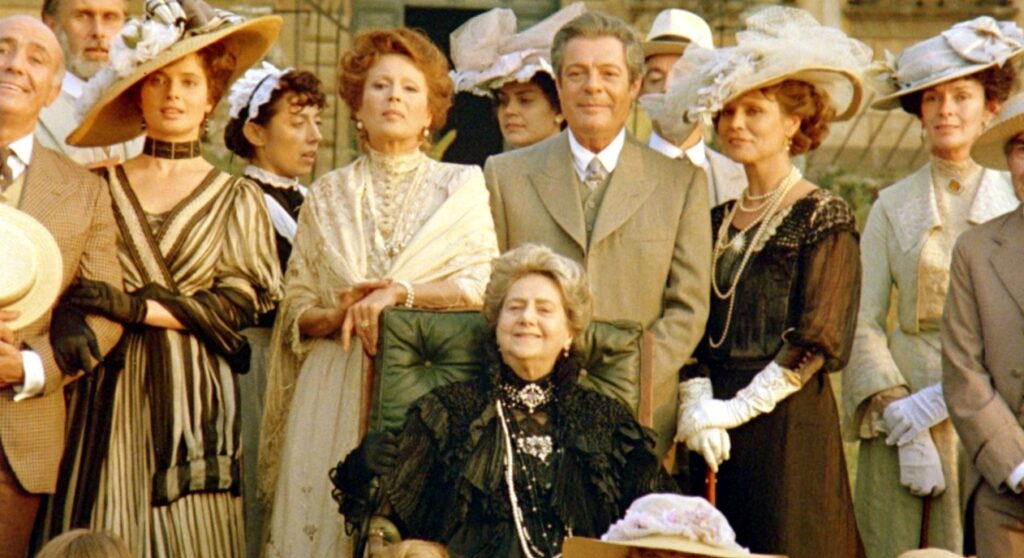
A scene from Black Eyes.
In order not to offend my friend by speaking ill of Black Eyes, Regarding the film, which featured several short stories by the Russian writer Anton Chekhov, I said I hadn't seen it. Then, my friend lent me the... DVD from the movie.
I'm remembering now that the DVD I still have it to this day. I need to return it and tell them I loved it. Black Eyes. If I don't do this, I'll lose a friend..
I made this introduction to say that the cult following of a particular film – a cult following that leads us to lavish praise – transforms us into idolaters of works that are sometimes little known and/or unknown to the general public. These are films that, at some point in our lives, held us captive, remaining trapped in some corner of our emotional memory..
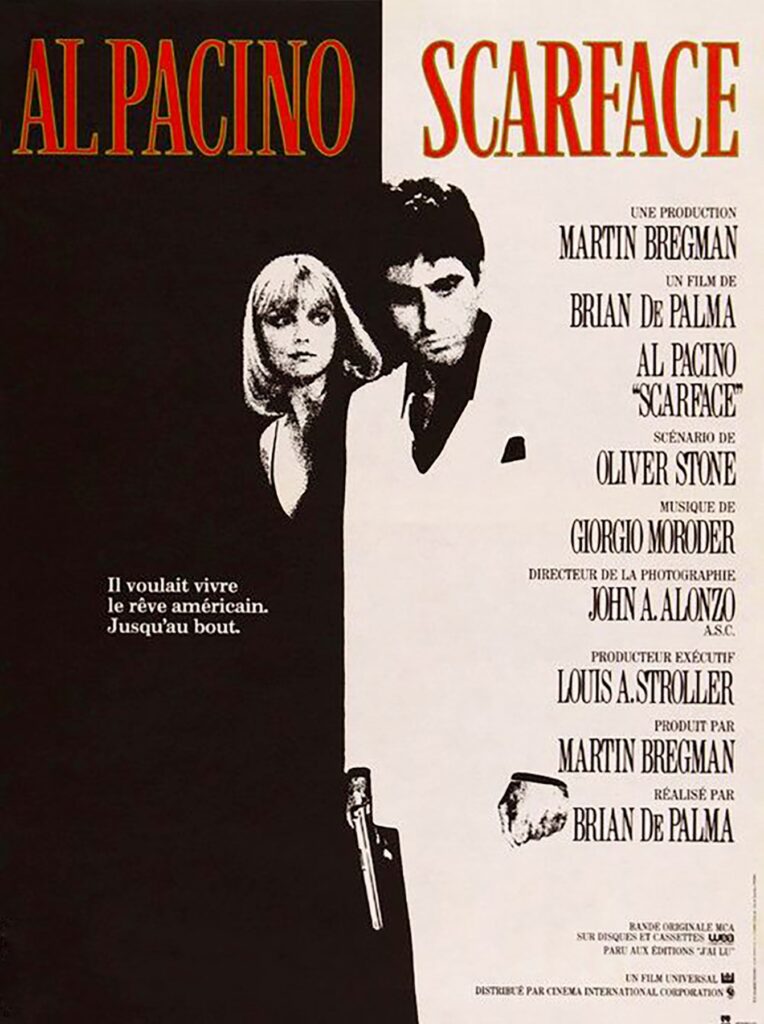
I must emphasize that one cannot discuss taste with an idolater of a particular cinematic work. I state this because I also defend the films I venerate tooth and nail. In fact, I was almost lynched once when I heaped praise on a film. Scarface (idem, 1983), directed by Brian De Palma and starring Al Pacino and Michelle Pfeiffer..
In my defense of this film, which several critics consider to have many scenes of excessive and gratuitous violence, strong language (use of profanity), and frequent graphic use of hard drugs, I went so far as to recount, with meticulous detail, entire sequences (one of them being the chainsaw scene) that I found marvelous..
Over the years, Scarface It began receiving positive reviews, even being praised by director Martin Scorsese. And, currently, it is considered by some critics to be one of the best mafia films of all time.
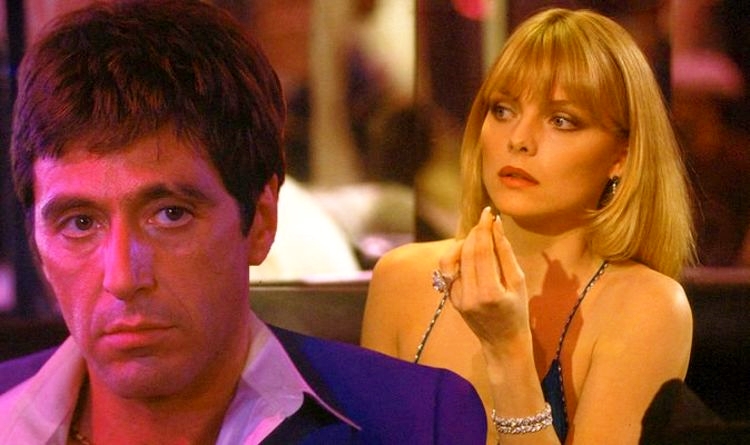
Al Pacino, playing Tony Montana, a drug kingpin in Miami, and Michelle Pfeiffer, playing Elvira Hancock, Tony's wife, in Scarface.
Speaking of Brian De Palma, he is, in my opinion, a filmmaker. cult, as The Phantom of Paradise (Phantom of the Paradise, 1974) and Femme Fatale (idem, (2002). One cannot remain indifferent to his filmmaking style. De Palma seems to put his fingerprint on every shot of any of his films. But many turn up their noses and belittle him, saying that he is a minor filmmaker and an imitator of Alfred Hitchcock. However, the writer and screenwriter Rubens Francisco Lucchetti, better known as RF Lucchetti, an unconditional fan of Hitchcock, has always nurtured a certain admiration for De Palma's cinema, especially for the film Body Double (Body Double, 1964), which pays homage to two masterpieces directed by Hitchcock, Rear Window (Rear Window, 1954) and A Body That Falls (Vertigo, 1958).
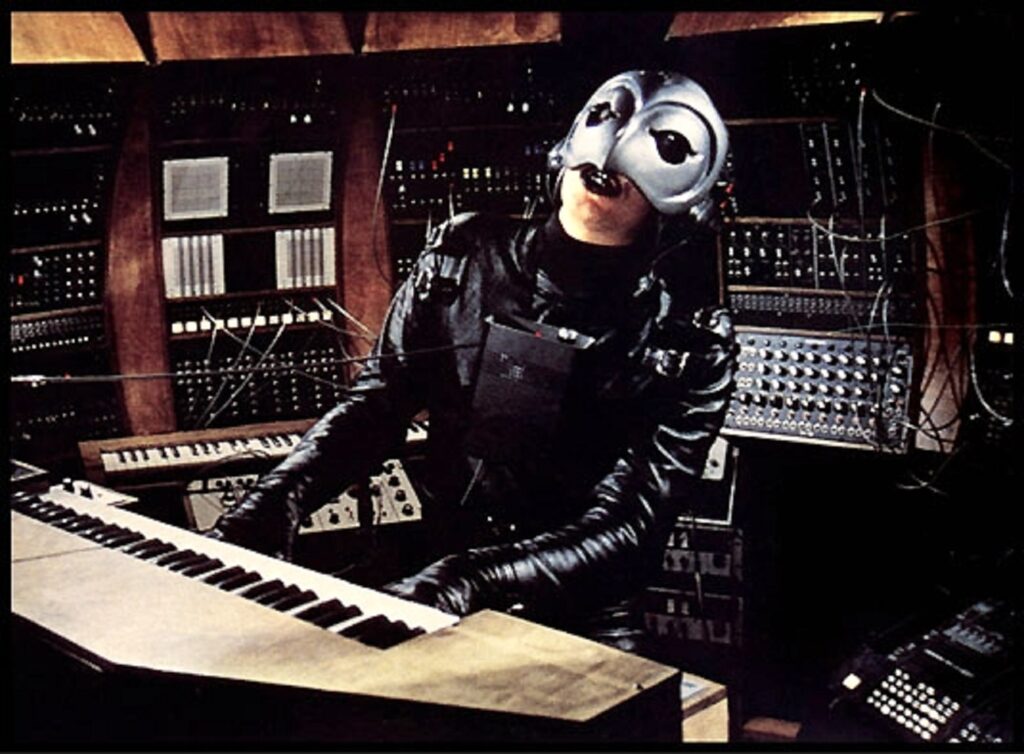
A scene from The Phantom of Paradise.
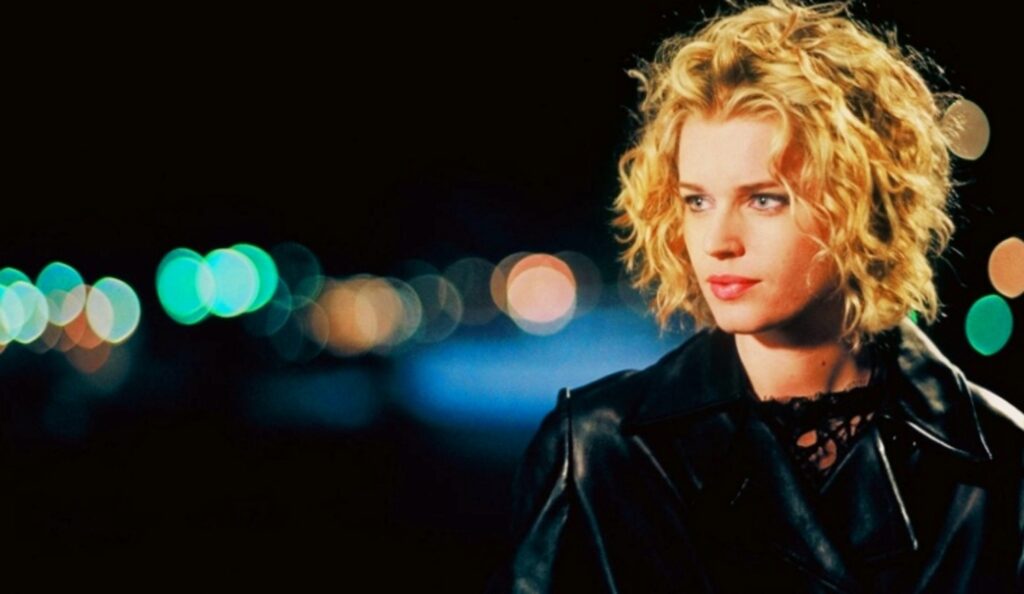
Rebecca Romijn-Stamos, the star of Femme Fatale.
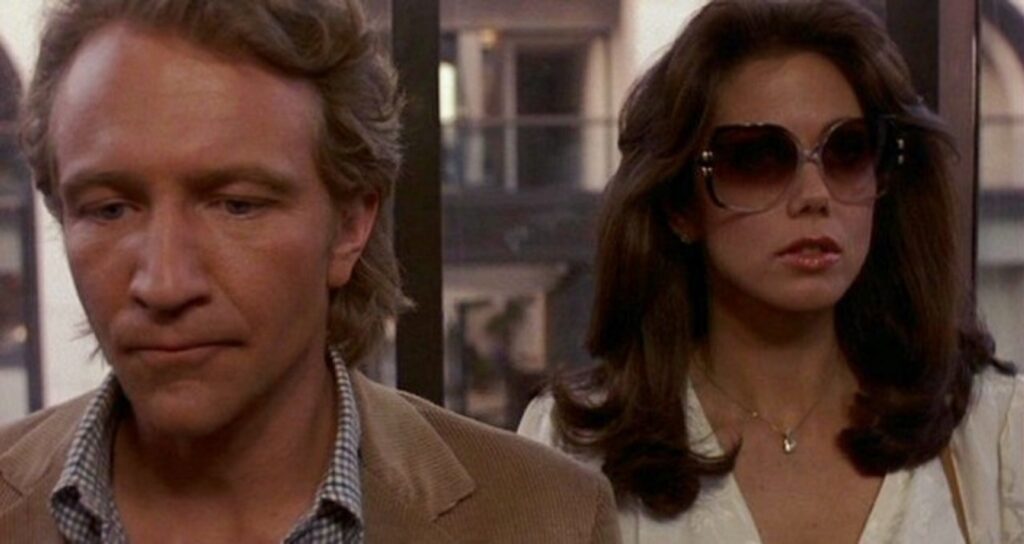
Craig Wasson and Deborah Shelton (in 1970, she was elected Miss United States), playing Jake Scully and Gloria Revelle, in Body Double.
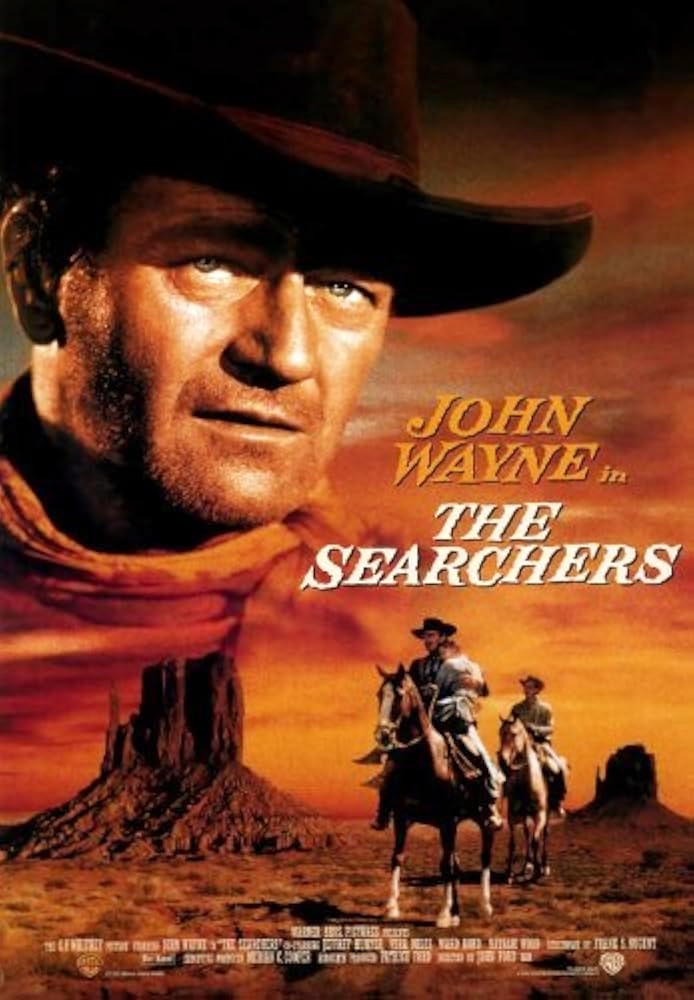
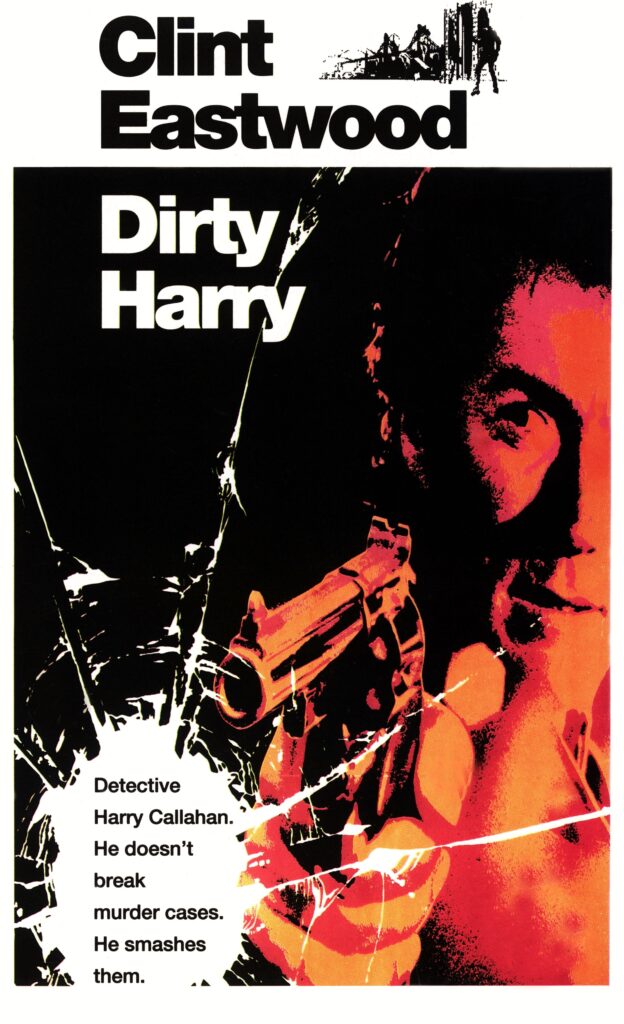
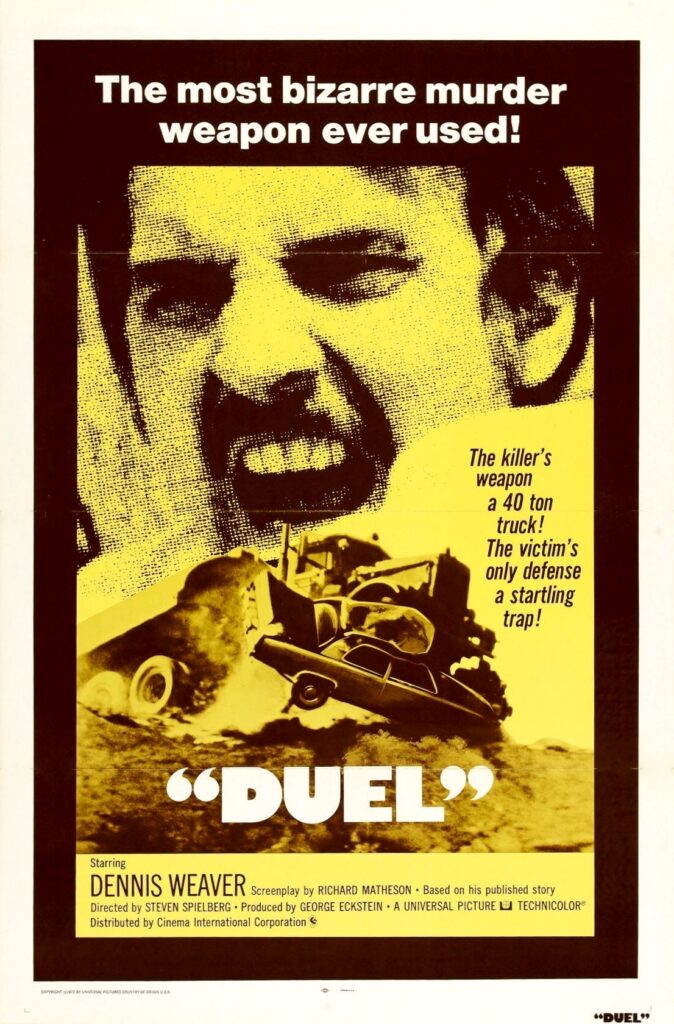
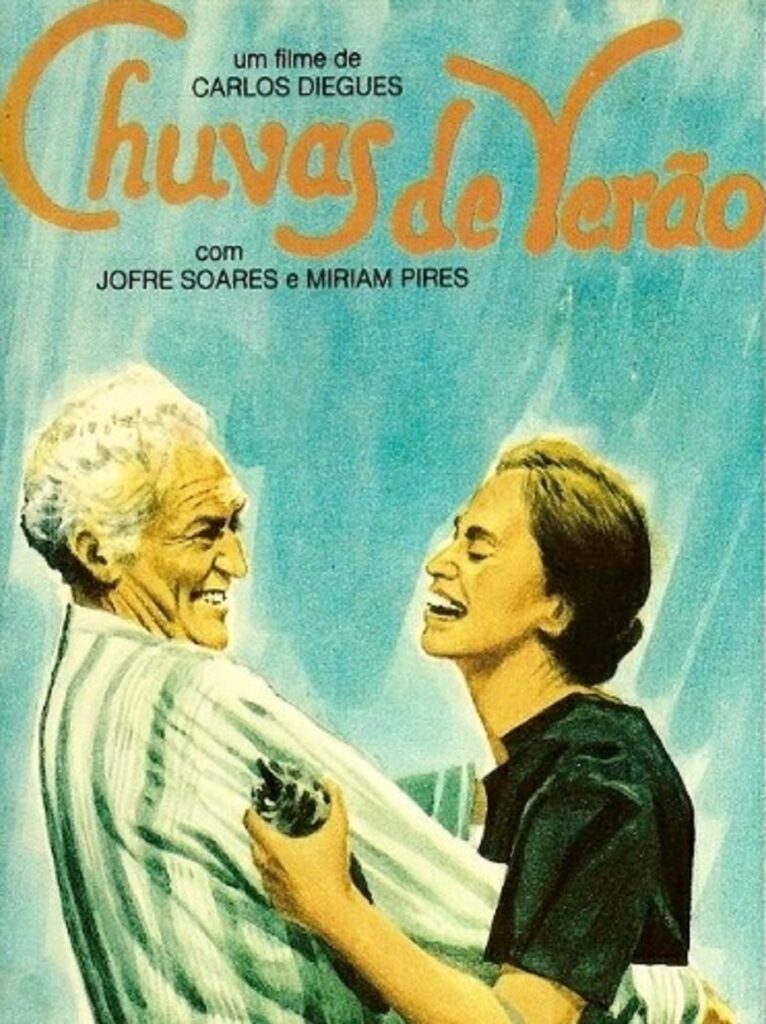
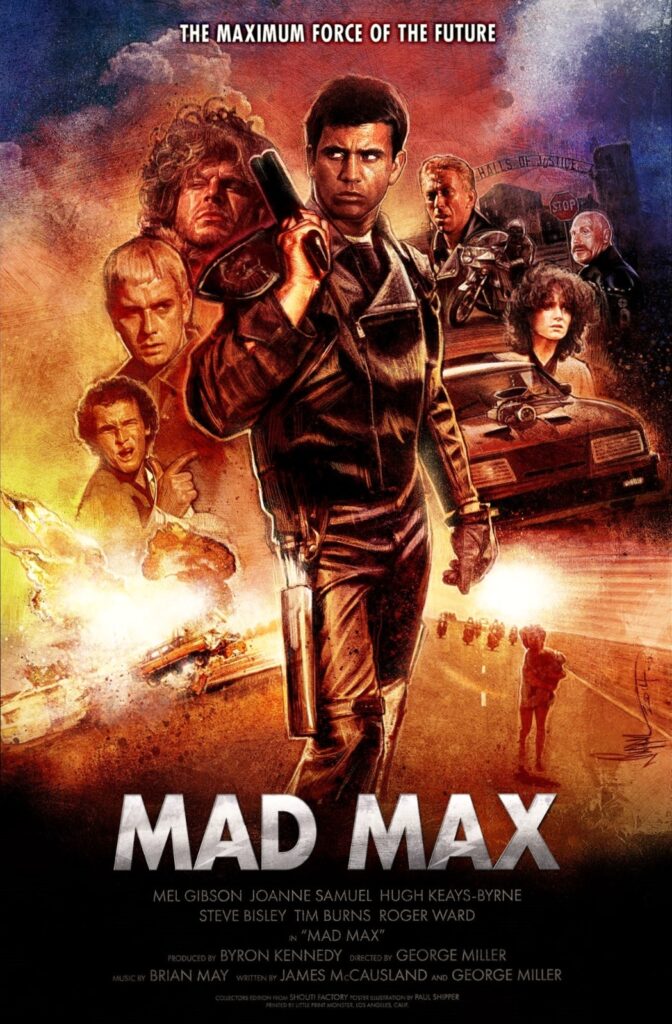
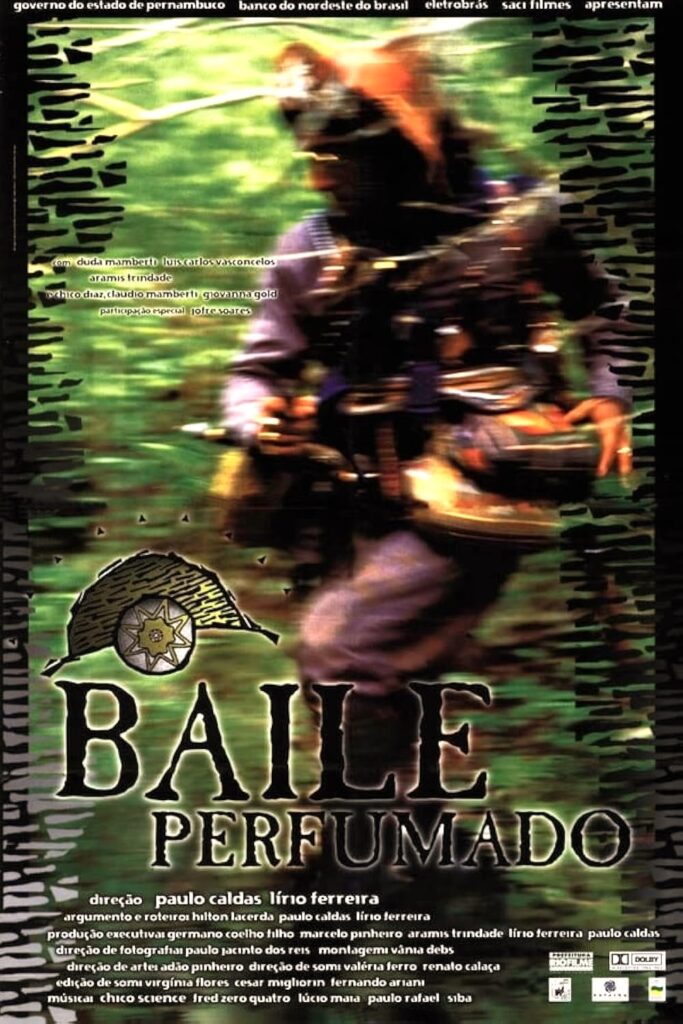
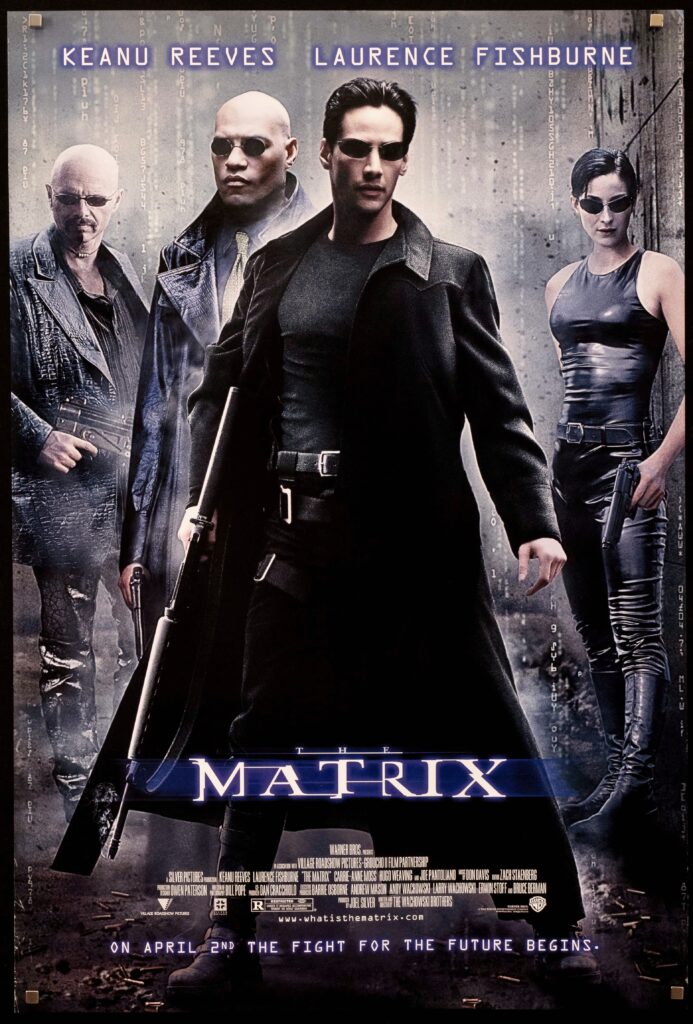
For movie lovers cult, What matters is the veneration, the exaltation, the discovery. It's the extraordinary identification between the cinematic work and the spectator, making films that had little impact at the time of their release—for example, I cite—relevant. Traces of Hate (The Searchers, 1956), by John Ford; Relentless Pursuer (Dirty Harry, 1971), by Don Siegel; Trapped (Duel, 1971), by Steven Spielberg; The Devil Queen (1974), by Antônio Carlos Fontoura; Summer rains (1978), by Carlos Diegues; Mad Max (idem, 1979), by George Miller; Perfumed Ball (1996), by Paulo Caldas & Lírio Ferreira; Matrix (The Matrix, 1999), by sisters Lilly & Lana Wachowski – end up, over time, becoming cult objects.
Aurélio P. Cardoso is a researcher, critic, and activist in the field of Cinema.
 Portuguese
  English
  Spanish
  French