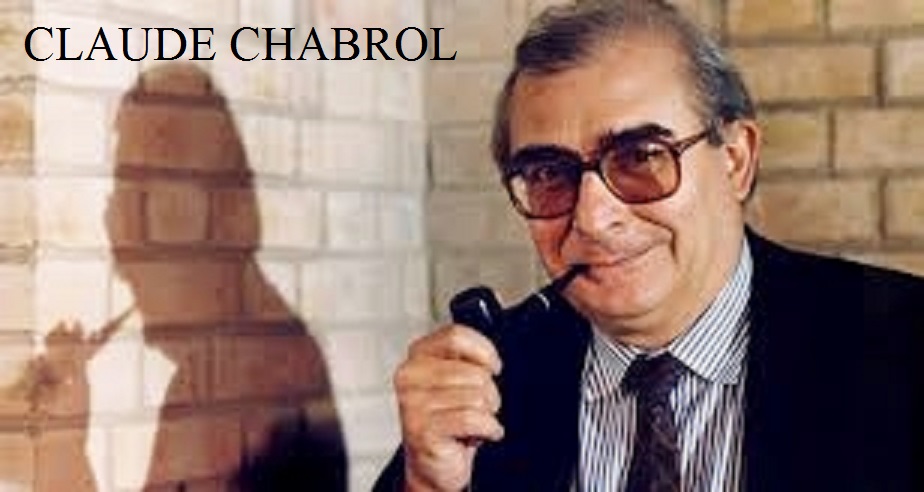
CLAUDE CHABROL
RF Lucchetti
EEdition: Marco Aurélio Lucchetti
Since the mid-1960s I have been a fan of the films of French filmmaker Claude Chabrol (1930-2010). However, I knew him much earlier. More precisely on September 9, 1959, when I acquired a copy of Hitchcock, a book he co-wrote with Éric Rohmer (1920-2010).
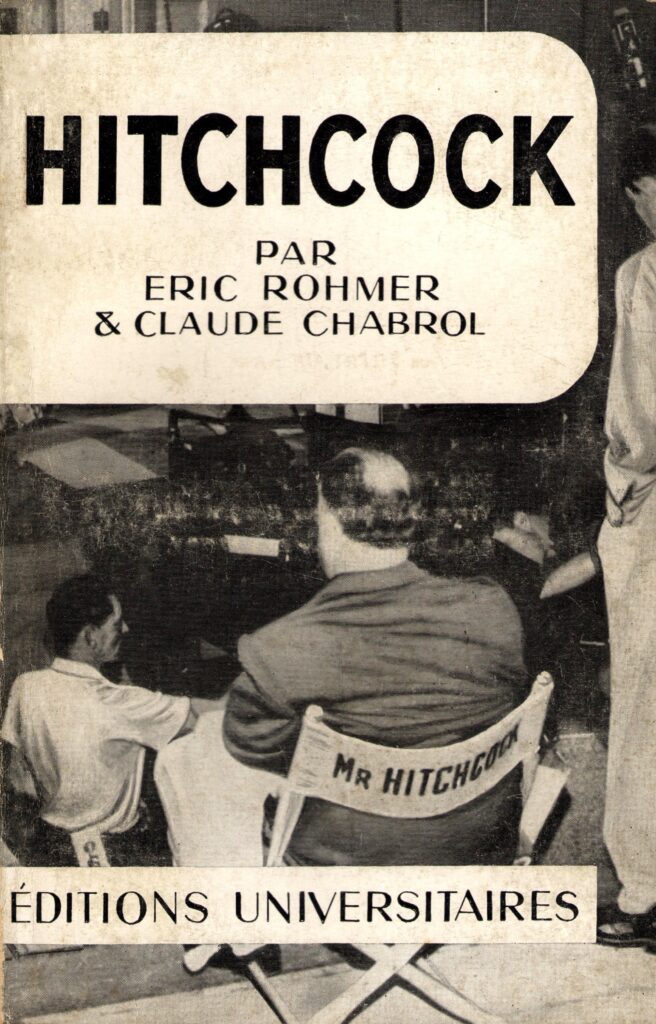
Sixth volume of the collection Film Classics, Hitchcock It was published by Éditions Universitaires in Paris in 1957 and is, unless I'm mistaken, the first major work written about the Master of Suspense..
Chabrol must have learned a great deal from Alfred Hitchcock (1899-1980), as he was an experienced director of films that blended suspense and psychological dramas..
Eyour Dictionary of Filmmakers (Dictionary of FilmmakersGeorges Sadoul (1904-1967), the greatest French-born film historian, stated the following about Claude Chabrol:
“"Doriginal director, It debuted with the sincerity of In the Clutches of Addiction (1958) and the splendor of The Cousins (1959). He says: ‘'The filmmaker's problem is twofold: to make his thoughts understandable to the greatest number of people, which is a matter of form, and to dismantle the mechanism of reality. The filmmaker must, above all, avoid false sentiment and show that the honesty of an alienated society lies in the decay of fundamental values.'’ After a long purgatory in crime films, during which he withdrew his claws, although sometimes subtly wielding his kicks, he was finally able, in 1967, with The Scandal, return to the topics that I considered seriouss: "to expose the baseness of the bourgeoisie, in narratives carefully closed in on themselves."”
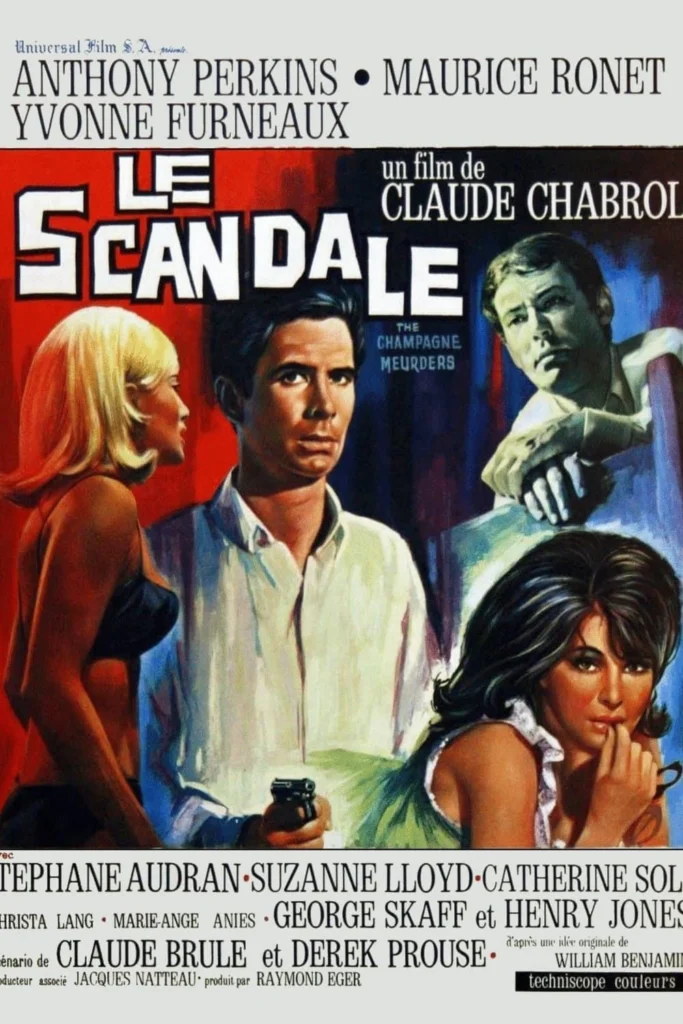
Original (French) movie poster The Scandal (Le Scandale).
Once, my great friend Mariana Portella (she was a true film buff, and I considered her the daughter I never had), sadly now deceased, asked me: “What is your favorite Claude Chabrol film?”
EIn response to Mariana's question, I cited two tapes: A Unfaithful Woman (La Femme Unfaithful, 1969) and The Innocents with Dirty Hands (Les Innocents aux Mains Sales, 1975).
A Unfaithful Woman It's a perfect film, with a bourgeois woman as its central character, Hélène Desvallées, played by Stéphane Audran (1932-2018), who was Chabrol's wife at the time..
CMarried to insurance broker Charles Desvallées (Michel Bouquet) and mother of a boy, Hélène brings about the destruction of her family and home by having an extramarital affair..
Hthere is a remake of The Unfaithful Woman: Infidelity (Unfaithful, (2002), directed by Adrian Lyne and starring Diane Lane and Richard Gere. But it doesn't compare to Chabrol's film.
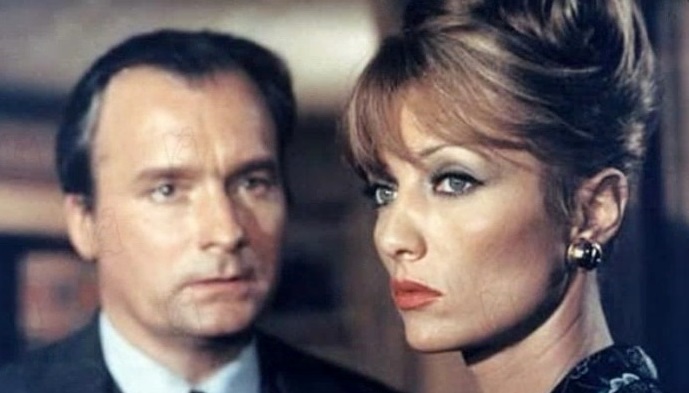
Michel Bouquet and Stéphane Audran, in a scene from The Unfaithful Woman.
Already The Innocents with Dirty Hands, a suspense film full of twists and turns, presents a Romy Schneider (stage name of Rosemarie Magdalena Albach, 1938-1982) very different from the virginal figure of the Austrian Empress Sissi, a role that made her famous in three films directed by Ernst Marischka (1893-1963) and made between 1955 and 1957..
Em The Innocents with Dirty Hands, Romy played a woman who plots with her lover to murder her wealthy, alcoholic husband.
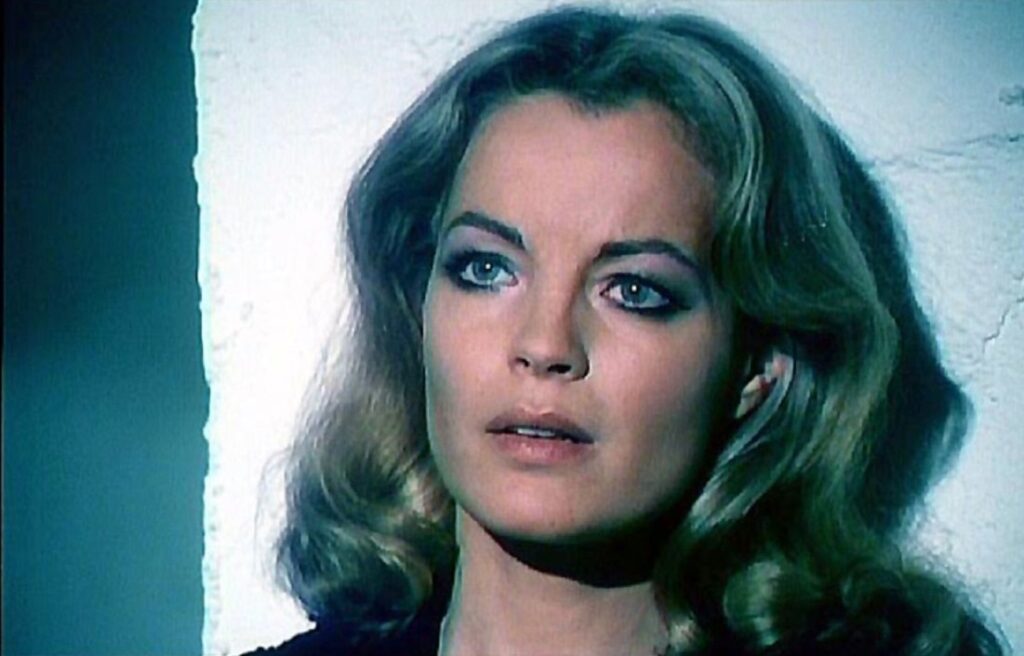
Romy Schneider, the lead actress of The Innocents with Dirty Hands.
I could have mentioned a third tape to Mariana: Alice or The Last Escape (Alice ou la dernière fugue, 1977), in which Claude Chabrol achieved the feat of transforming the sensual and not very talented Sylvia Kristel (1952-2012), the eternal Emmanuelle (the character created in the erotic books of Emmanuelle Arsan), into a sensitive and competent actress.
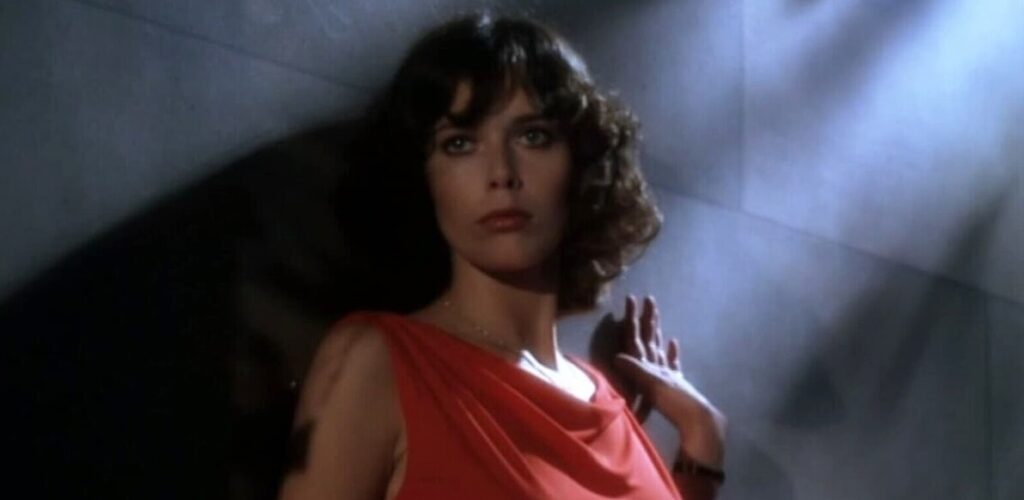
Sylvia Kristel, playing Alice, in Alice or The Last Escape.
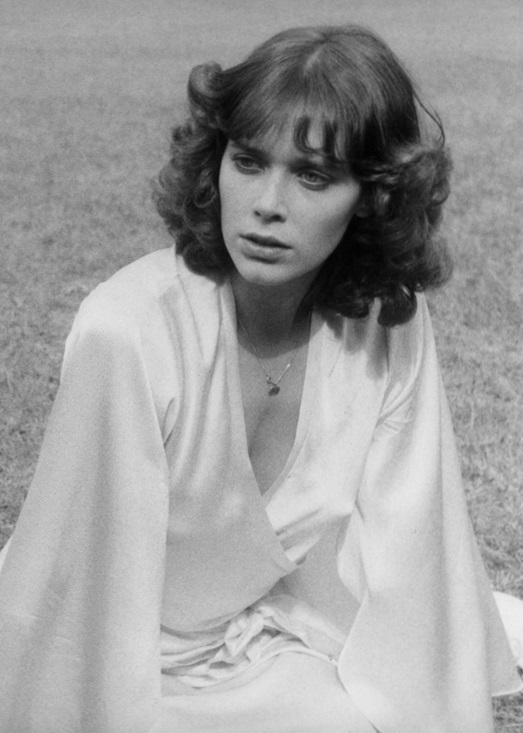
The story told in Alice or The Last Escape It's basically this: a young and beautiful wife, relegated to second place by a selfish husband, perpetually focused on himself, his interests, and his profession, decides to break the marital bonds and flees. Then, behind the wheel of her car, she speeds off aimlessly down a random road on a stormy night. From there, drawing inspiration from the two Alice stories written by the Englishman Lewis Carroll (1832-1898), Alice's Adventures in Wonderland e Through the Looking-Glass, and What Alice Found There, Chabrol places his heroine in a surreal world..
Alice or The Last Escape It was well received by critics, especially French critics, who compared the main character to Hitchcock's heroines, with whom she shares... “"a cold and unsettling beauty"”. There were even those who classified the production as “"Terribly beautiful, a film in which anguish and beauty explode in every image"”.
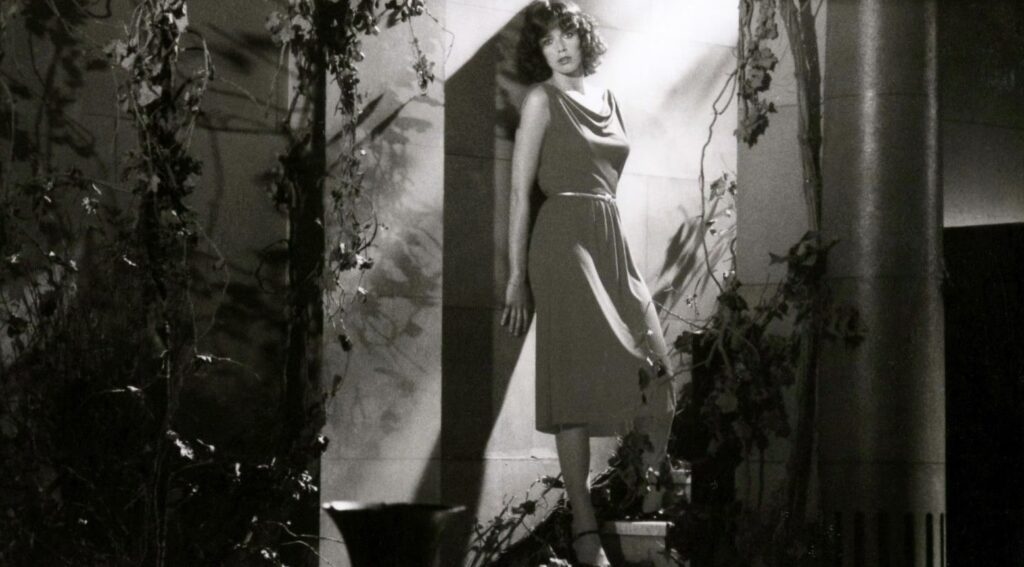
A beautiful image of Alice or The Last Escape.
RF Lucchetti (Rubens Francisco Lucchetti, 1930-2024) was a fiction writer and screenwriter for Cinema & Comics.
 Portuguese
  English
  Spanish
  French